


Today's lineup











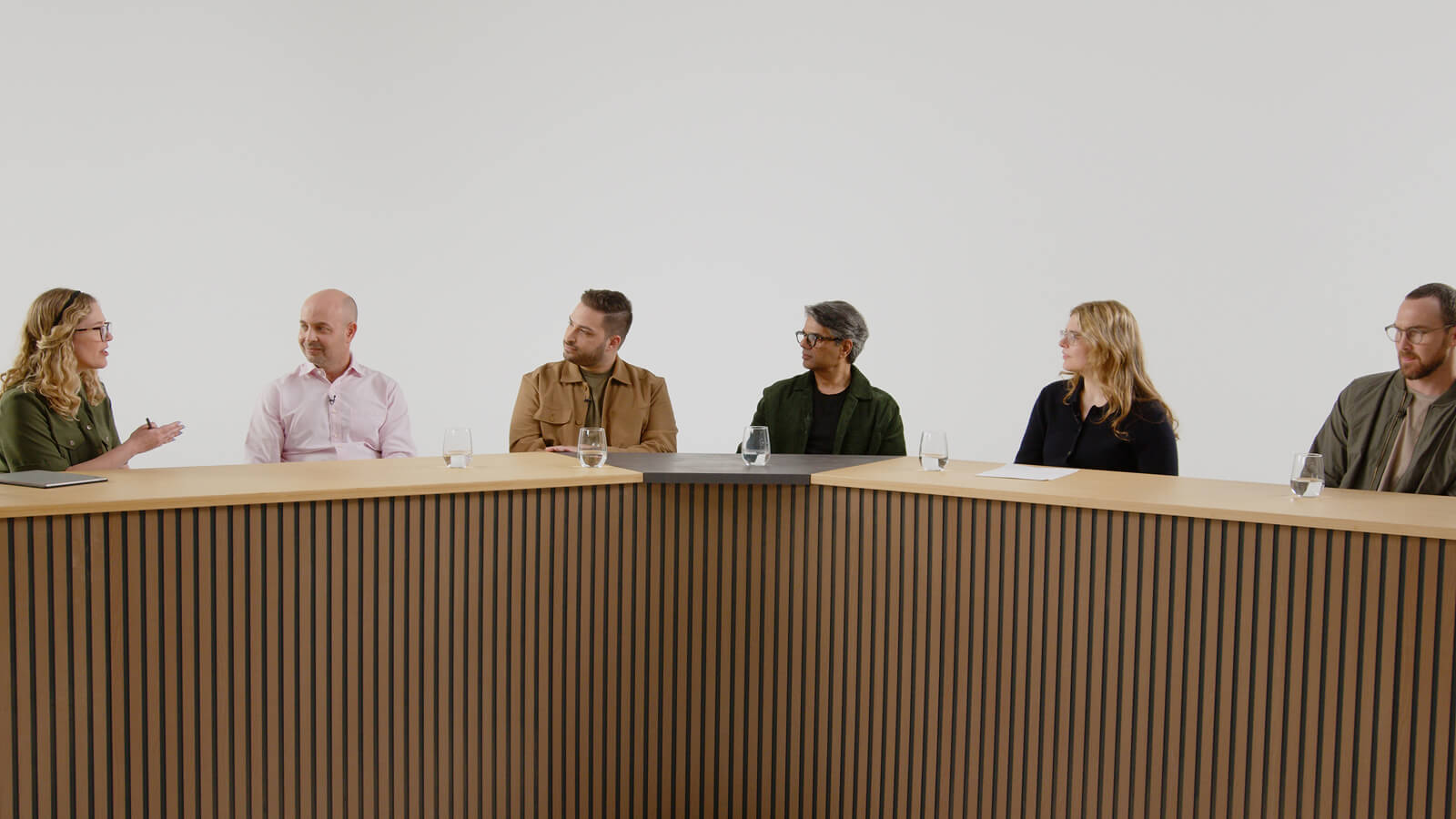




How discoverability went from 10 blue links to AI answers
For two decades, SEO was the answer to discoverability. Now AI is changing the rules.


What an AI-ready website looks like at global scale
See how Maven, N4, and Lokalise scaled a single website across regions ready for AI-driven discovery.
.png)
The AEO readiness gap: What leaders are getting wrong
AI is already shaping how buyers find you. So why do only 26% of practitioners say they're implementing AEO? Senior marketing leaders weigh in.

WEBFLOW AEO · COMING SOON
Own your visibility in AI search.
See how AI engines find your brand. Get prioritized recommendations. Ship improvements. All within Webflow.
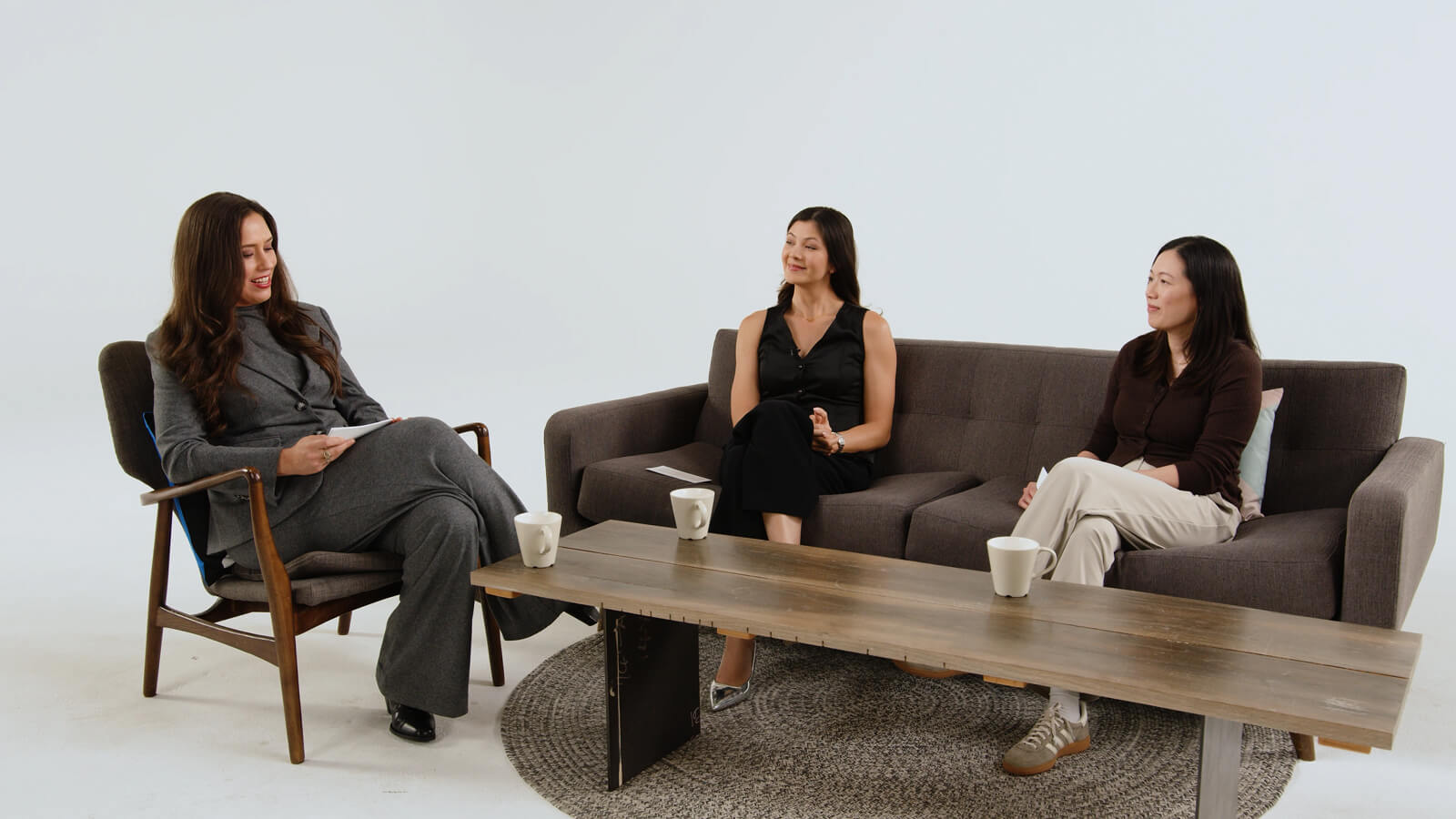
[Marissa] Hi. I'm Marissa. Over the past year, I've had the same conversation with dozens of marketing leaders, people I respect. People running serious teams, and it always comes back to the same question: what happens to our brand when AI is the one answering? Not search engines, not social. AI. That's what this week is all about. We're going to trace how we got here, why it matters, and what you can actually do about it. And I brought two people who I think see this more clearly than anyone else.
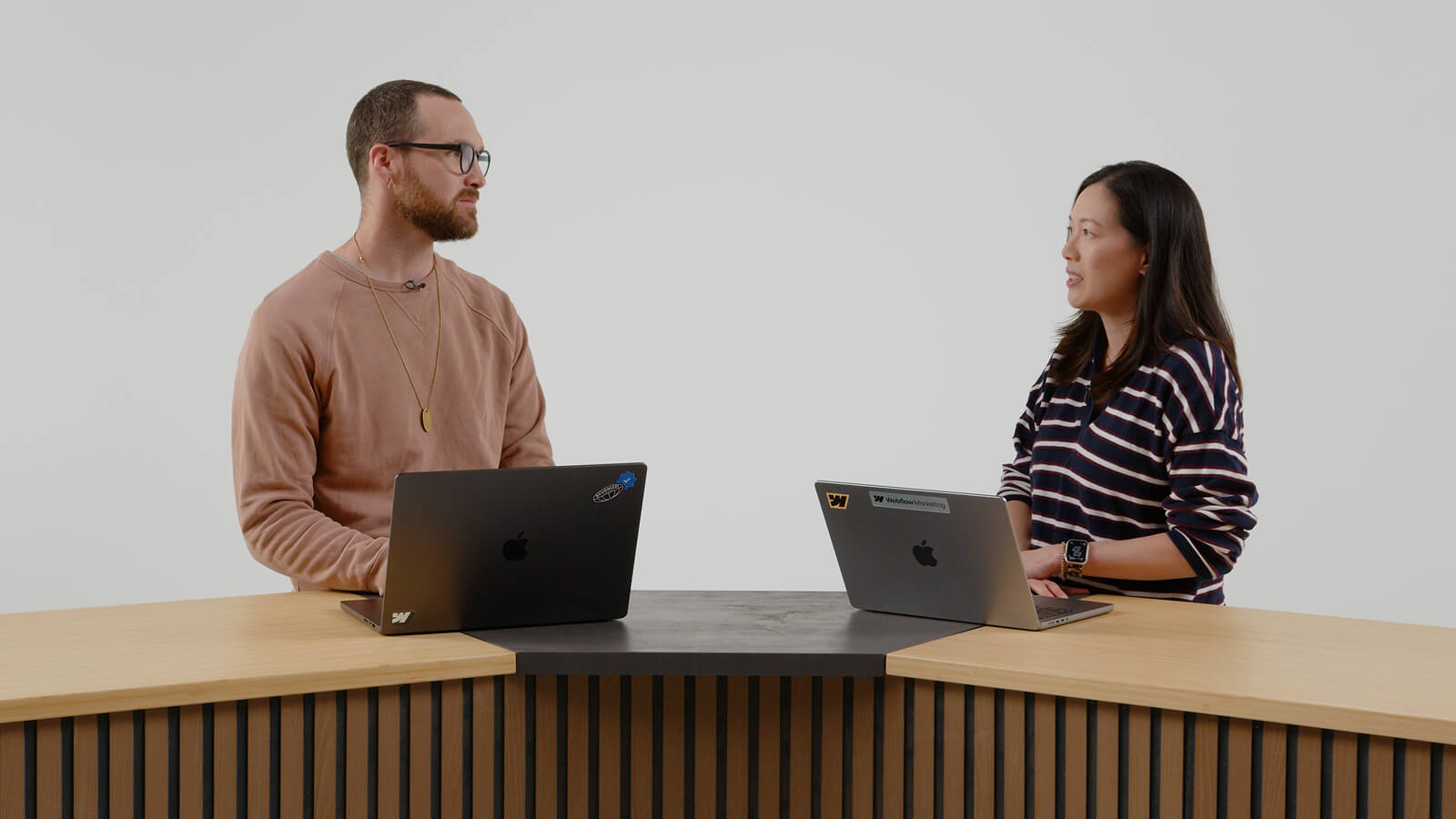
First we have Vivian. Vivian is our AEO and SEO lead at Webflow, and she's been in search long enough to have lived through every "everything is changing" moment the industry has had. Mobilegeddon. Voice search. Accelerated mobile pages. She was there for all of it. So when she says this one is different, I actually pay attention. And we have Cat, a.k.a. @AskCatGPT. If you don't already follow her, what are you doing? She's built an audience of over a million people by making AI feel human, and she even hosted a takeover of ChatGPT's TikTok to help their audience actually understand their tools. She sees something the rest of us don't. How millions of people are actually changing the way they find and evaluate brands right now in real time.
Okay, so we are living in this world of AI search, of AI as our search engine. We live here now, right? We're all here in this liminal space in the land of AEO. What does this actually look like from a business perspective, a Webflow perspective?
[Vivian] Yeah. We were starting to see a really big shift in the users that were coming from AI. In Q4 2024, we saw 2% of our total signups come from AI, and that grew to up to 8%. That was more than four X growth in less than six months.
[Marissa] Wow. That showcases that this is not something we can ignore. This is not just a random thing. This is a trend. This is actually something that's affecting everyone's businesses, right?
[Vivian] The numbers were telling a story of how many people were coming through, but also the platforms themselves were changing. So as people were moving more towards like ChatGPT or Claude and Google was shifting their own experiences to show more answers at the top, that also influenced how searchers were behaving.
[Marissa] Okay. So from your own perspective, are you getting questions? You're having to explain this all. AI as a human interface. How are you answering these questions that people have about their search experiences?
[Cat] Well, I think hearing from experts like you guys is kind of the best way for me to pass along high quality information. I think what's challenging from an audience perspective right now and for general consumers is that it feels like every day there's a new product being released, or a new button on a product that they're used to using. Oh, don't just ask ChatGPT — now press shopping and then ask. And it's like when the user interface, anything changes that much, people start to get a little bit fatigued. And so there's this idea of like, I just want the answer. And what's the best way for me to go about this? And so I think overarching, the goal is to simplify and to just keep it as simple as possible. And I think for people like us who are trying to communicate as best as we can with an audience to help them actually find what they're looking for, it's about keeping it as simple as possible.
[Marissa] Okay. So what are the things that you need to simplify most for people?
[Vivian] Yeah, I think having really clear brand messaging and really understanding your audience and then signaling to AI what your brand is, who you're for, what problems you solve is a good place to start.
[Marissa] Okay. So we have this old model and you rank higher, you get the click. And so the goal of everything you're doing is actually the click. AI broke this model completely and there's a new one forming. And this is actually really interesting because our goals, especially from a marketing function, have changed dramatically. What does it mean when the click isn't the goal anymore?
[Vivian] Yeah. In the old model you were optimizing to show up in ten blue links, and that was a clearer playbook. Now you are optimizing to show up and be the answer. And that changes with every prompt, every industry, every brand. So you really need to understand the questions that your target audience is asking to find a solution like yours and use that as a starting point.
[Marissa] So, Cat, are you hearing from marketing leaders and from other brands asking these same questions? How do we measure? How do we optimize?
[Cat] 100%. I think the questions are like, is this something we have control over? If so, what do we do? If it's not as simple as putting in more paid ad spend behind some Google keywords. What is the formula? What do I need to do? I think everyone's asking themselves this question right now. But to your point, it kind of feels like a moving target because there's so many new products and the models are evolving and the way that the models interact and how they're harnessed with the agents changes. So yes, but everyone I think 100% is asking themselves this kind of question.
[Marissa] All right, Vivian, with that, what is the way that you're actually looking at Webflow and how we are breaking through in this current moment?
[Vivian] So I am looking at how we show up in answers. What is AI saying about us? Is it pulling the right messaging, and if not, then how do we change that? What is the perception gap and what are the areas that we need to optimize for, whether that's our own content or in third party publications?
[Cat] Wait, Vivian, can I ask you a question? So I feel like in the old way, when we would Google search, it would be like "best website builder." And now I go to my AI chatbot and I say, "So I'm building this new website. It's for this product. I'm not really super technical, but here's how I feel about some other thing." Like it is a long diatribe of a conversation, and I just kind of feel like that must lend itself to a different result every time. Like when there's that much context being loaded in, how does that affect what results come back?
[Vivian] Yeah, definitely. I think AI answers are more personalized than before, than search results. So you really need to be optimizing for that long tail query. So understanding all of the different use cases, who are all of your different target audiences, thinking through each of those questions and answering it with your content and site. So being really clear on what your brand is, who you're for, all of the different problems you solve. I think that is a good starting point.
[Marissa] One thing that gets me really excited is, while I'm obviously partial to a great website — let's go Webflow — I also get excited about what this means for brand marketing, what it means for community marketing, what it means for social media because we are grasping not only from the website, we're actually getting things taken from all the conversations around the web that are about our company, about our brand, about our competitors. And I think this actually is changing where we're going to be focusing our brand marketing dollars and where our focus is overall.
[Vivian] Yeah, totally. AI synthesizes all of the content across the web. So you're not just optimizing your own website, you're optimizing for the consensus of the web. So all of the signals that you mentioned, all of the community outreach, the social posts, the brand marketing, comms and PR — that all factors into AEO.
[Marissa] And I hear a lot about different social media platforms right now. You hear it from Reddit, you hear it from LinkedIn, and they're saying — we're raising our hands and saying that we are the ones that are being cited the most on different AI searches. And I think that that's a really fascinating development on the social media platforms. They're not saying, "Hey, people are spending the most time on our site anymore." They're saying, "We're getting cited the most in AI." So it's not just an evolution of how people are searching. It's an evolution of how these other areas of the web are reacting to search.
[Vivian] Yeah. And I really think it depends on your brand and your industry, because depending on your industry, the most cited domains may be different.
[Marissa] We need to be thinking beyond the classic ways that we were doing SEO. There's just such a breadth. And I think that that's why this conversation is so important, is that it has gone from being a very specific area of optimization that you needed to do to be seen on the internet. And now the breadth of what you need to concentrate on is so broad that there's just so many different areas that affect how people are finding you, how your narrative is being told by others, and it's creating a lot of new jobs, and it's creating a lot of new focuses. And it's an exciting time to be a marketer, because there's so many places that we're still figuring out.
[Cat] So people that are falling behind on all of this, in terms of any brands that are even working with you on brand partnerships and they're like, "We're not showing up the way that we want to." And I know that they don't only look to you as a brand partner, they look to you as actually someone that is helping them understand the web, because you're not just talking to your audiences. You're talking to people that you're working hand in hand with. So how are you advising folks?
[Cat] It ties into a lot of what you guys are bringing up. It's like, this isn't just about the spend that you have control over and the keywords that you are yourself promoting and putting behind. This is about all of the conversations that are happening on the web about you that you have, you know, maybe some control over, but not entirely. I almost think about it in the way of like, in the entire past of human product development and discoverability for all of these things online, it's been about how can we get in front of human eyeballs. But what if the eyeballs aren't human anymore? And if they're AI agents who are doing the shopping and the searching for us? Do they care about the same things? Do they prefer to read a product review in markdown format as opposed to like, a really pretty blog post? And does that mean that companies should actually start changing how they're talking about themselves online, like the literal formatting of the page? I don't know, but I think these are the questions that we're all asking ourselves. Maybe Vivian knows, I don't know.
[Vivian] Yeah. I mean, I think now with AI, your website is serving two audiences, right? The humans and agents. So you need to make sure that your messaging comes through for humans in a visual way, but also making sure that your content is structured and machine readable for agents.
[Marissa] I think it's really interesting, too, when you're thinking about, for so long we've talked about the marketing funnel, right? We're talking about the top of the funnel, middle of the funnel, bottom of funnel. But like, those could be all over the place. Again, it's a big squiggly line now. And so when you're actually thinking about websites, they're top of the funnel for the bots that are searching them, that are scanning them, but they're actually becoming bottom of the funnel for humans. So you're not only building for two audiences, you're building for the bots, you're building for the humans, but you're also serving two different distinct purposes as well. And so again, there's a lot of new and different and exciting work to be done in the marketing space because you have a lot more audiences, a lot more different parts of the buying journey than ever before.
[Cat] Okay. Wait, Marissa. When you're talking with other marketing leaders, do you feel like they get that this is happening or are they still all playing to the Google playbook?
[Marissa] Okay, well, I will say we're all humans too. I always talk about marketing, especially brand marketing in the B2B world, is that it's still P2P. It's still people to people marketing. Right. And so what about that? So when you're talking to another marketer and you're saying like, "So how are you searching?" If they go like, "Oh, it's still SEO, we still are focusing there." I'm like, "Wait, wait, wait, wait. So this morning when you had a question about like, what kind of dog food to get, did you search on Google for like a list of the best dog foods, or did you ask Claude or ChatGPT, what dog food do you recommend for my Great Pyrenees that has like a very sensitive stomach?" And they'll be like, "Oh, I asked ChatGPT." And I feel like if you're thinking about humans in the situation and you ask them to think about what they themselves would do in this situation, they're much more excited about the change. From a like, "This is the numbers I do. This is SEO." It's more like, "Okay, now I'm thinking about myself and I'm thinking about how I would do things," and that actually makes it a lot easier to get more people on board that AEO is different. It is the next step.
[Cat] It also just generally feels more human.
[Marissa] Ironically, I know, right? It's just like now we're telling a story about how this dog food is actually the best for a Great Pyrenees or whatever —
[Cat] You said stomach issues? Yes. Stomach issues. Personal stories for real.
[Marissa] Oh, let's be honest, I only have cats. Okay, there we go.
[Cat] Hey, same.
[Marissa] And it's so interesting because it's so much more narrative driven, too.
[Cat] Yes. It's almost like before you had to really boil your whole brand down into, like, a group of words, and now you can actually tell the full story.
[Marissa] And I think one thing that also is exciting for me is that they get that. When I talk to other marketing leaders, they get that they don't know everything yet. And so they're much more open to conversations now about what's happening next and what we can explore and what can we test. Versus when we talk about SEO, because there is a playbook. There's no playbook anymore. There is a playbook that Vivian's writing — we'll all follow and she will win. But like overall, there's still so much to discover. We're still so much at the beginning of this process of AEO. And so there's a lot more opportunity to test and a lot more — I'd say marketing leaders that maybe would have been like, "I don't care. Like it is what it is. My practitioners are going to touch this. I'm not even going to touch it." The marketing leaders are now the people that are excited to learn. Marketing leaders, when they get hands on with an AEO product, they're like, "Oh, I get this." They're not even interested in touching an SEO product. It's what someone on their team does. And I think that that's an exciting time to be, honestly, a marketing leader. It's like, we're trying new things. We want to see what happens. The playbook is not written. We are currently in the process of writing it.
[Cat] We're so at the starting line. Like, if anything — what I always tell my audience is like, if you think you're behind, I promise you you're not. Like, you're probably in the 99th percentile of people who are using the tools. If you're using ChatGPT every day and every day you're trying to get it — you're testing to see if it can do something that you've never tested it can do before — 99th percentile, full stop. And so I think that it's like, if you're actually in this position and you're a marketing leader who's like on the forefront thinking about how AEO works and how you can capitalize on it, maybe you're a pioneer. Like, truly, now is the time.
[Marissa] That's amazing. What does that make her? She's the head of the Oregon Trail.
[Cat] Yes.
[Marissa] Speaking of history, yeah. I get really excited about this. The curiosity that I feel has been reignited in so many marketing leaders. And one area that I truly just warms my heart is the new commitment and the overall commitment — it's more of a reinvigorated commitment to community. And I think that this is a space that some companies have really focused on and they've kind of left it. But we're talking about community — the people, the outside voices, the advocates that are going to be speaking on your behalf, that are going to be in Reddit, they're going to be in LinkedIn, that are actually going to have such a strong impact on AEO. And so I just — I love that we're actually reinvigorating the human connection because of the impact on business outcomes.
[Cat] Yeah.
[Marissa] All right, Vivian, with that — what happens next? What are we excited about? What is the future of AEO and this whole space?
[Vivian] Yeah. I mean, like you said, it's a journey. And no one knows what happens next. So, I think that it's an ongoing journey of experimentation, learning by experimenting, testing and just scaling what works and discarding what doesn't and sharing those learnings as we go.
[Marissa] All right, Cat, you've been part of this conversation. You promised me you'd be learning along the way. What have you learned? What are you going to implement tomorrow?
[Cat] Oh my gosh. Well, I feel like — I mean, I'm always going to the different chatbot tools and asking it about my brand and seeing what comes back. But now I want to try that a little bit differently, where I want to see, like, what are you seeing different communities saying about this product? What corners of the internet are you seeing being activated about this product? We always are trying to use AI to learn about our core customer, but I think that's like a really unique insight I don't want to walk away from this on. And especially thinking about how we can — how we can sort of try to control or help contribute to the broader corpus of what's being said about our product and who we are, as opposed to just what we post on our website.
[Vivian] Yeah, totally.
[Cat] Wait, Marissa, I have one last question for you, though. What are you seeing in all of this? And how do you want people to walk away from this conversation? Like, what are you hoping somebody who's watching this is actually going to do tomorrow when they get to work?
[Marissa] Well, obviously going to break the fourth wall — sign up for Webflow. But more than anything, I think this is the beginning of something. But this is your chance to get in on the ground floor. This is your chance to build. This is your chance to learn. We have so many educational materials — fundamentals within our Webflow University that are not just saying, "Hey, you have to build on Webflow," but you need to learn. And there's so many great areas for you to be an early adopter, an early understander, or an early person with curiosity in this space. So I'm hoping people walk away with some curiosity and they're excited to get building.
[Cat] Love it.
[Marissa] All right. So this conversation was the foundation — how we got here and why it matters. Later today and tomorrow we're getting into the work — the people actually doing this right now and what they're building. And on Thursday, we're premiering a documentary that tells the full story. The teams who saw this shift coming and what they did about it. If you can watch it in order, each one builds on the last. And if this conversation sparks something for you, go start. You don't need to have it all figured out. You just need to start paying attention to what AI is saying about you. That's step one. Thank you both for joining me. This was such a great conversation.
[Cat] Yeah, thanks for having us.
[Marissa] Thank you for watching and stay tuned.